CRIW’s Initiative
Afghan Women’s Health & Emotional Well-Being Projects
Listening to Women’s Experiences • Deepening Understanding • Informing Equitable Care
Overview
Centering women’s voices and lived experiences, CRIW is facilitating two culturally responsive co-design projects focused on emotional well-being, chronic health conditions, and caregiving.
In collaboration with Yale School of Medicine’s Program for Recovery and Community Health (PRCH), trained Dari- and Pashto-speaking Afghan women serve as research partners, facilitating conversations with community members to explore their lived experiences and strengths, identify systemic barriers and community priorities, and inform future community-led initiatives and systems change.
About the Projects
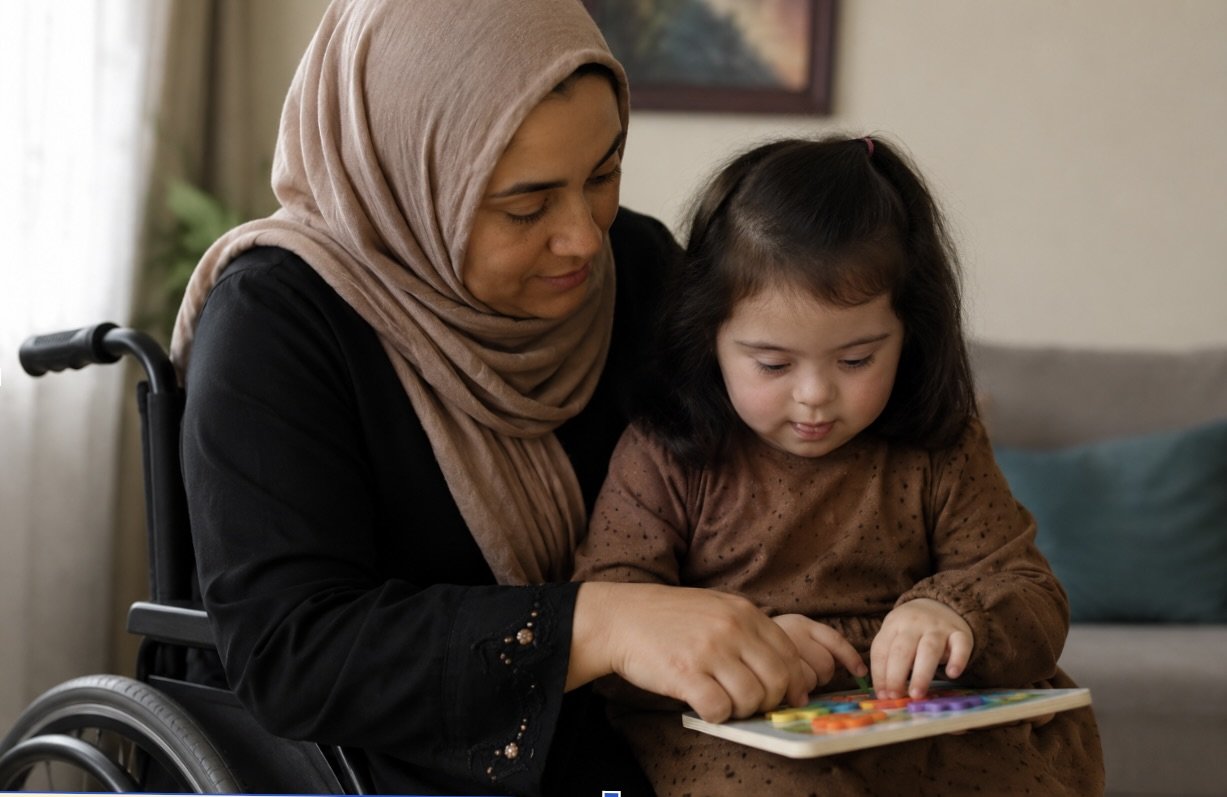
Afghan Women’s Health & Caregiving Project
Launched in August 2026, CRIW began working with Afghan women living with chronic health conditions or caring for loved ones with ongoing health needs to explore their lived experiences, strengths, and challenges related to healthcare, caregiving, and well-being.
Afghan Women’s Mental Health and Emotional Well-Being Project
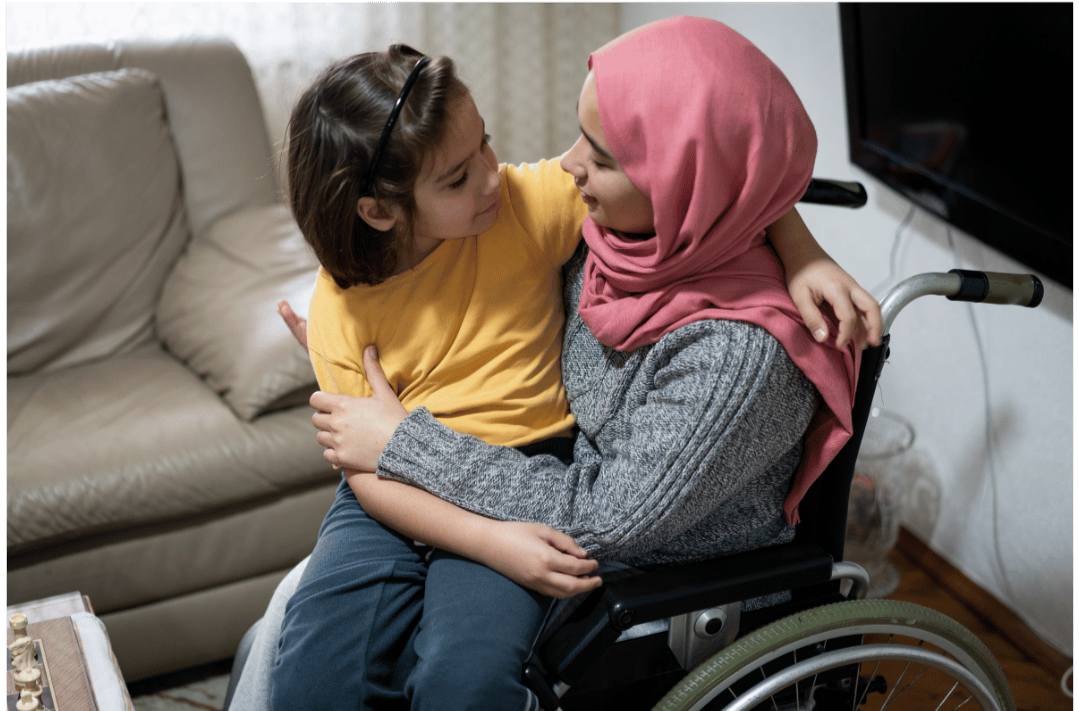
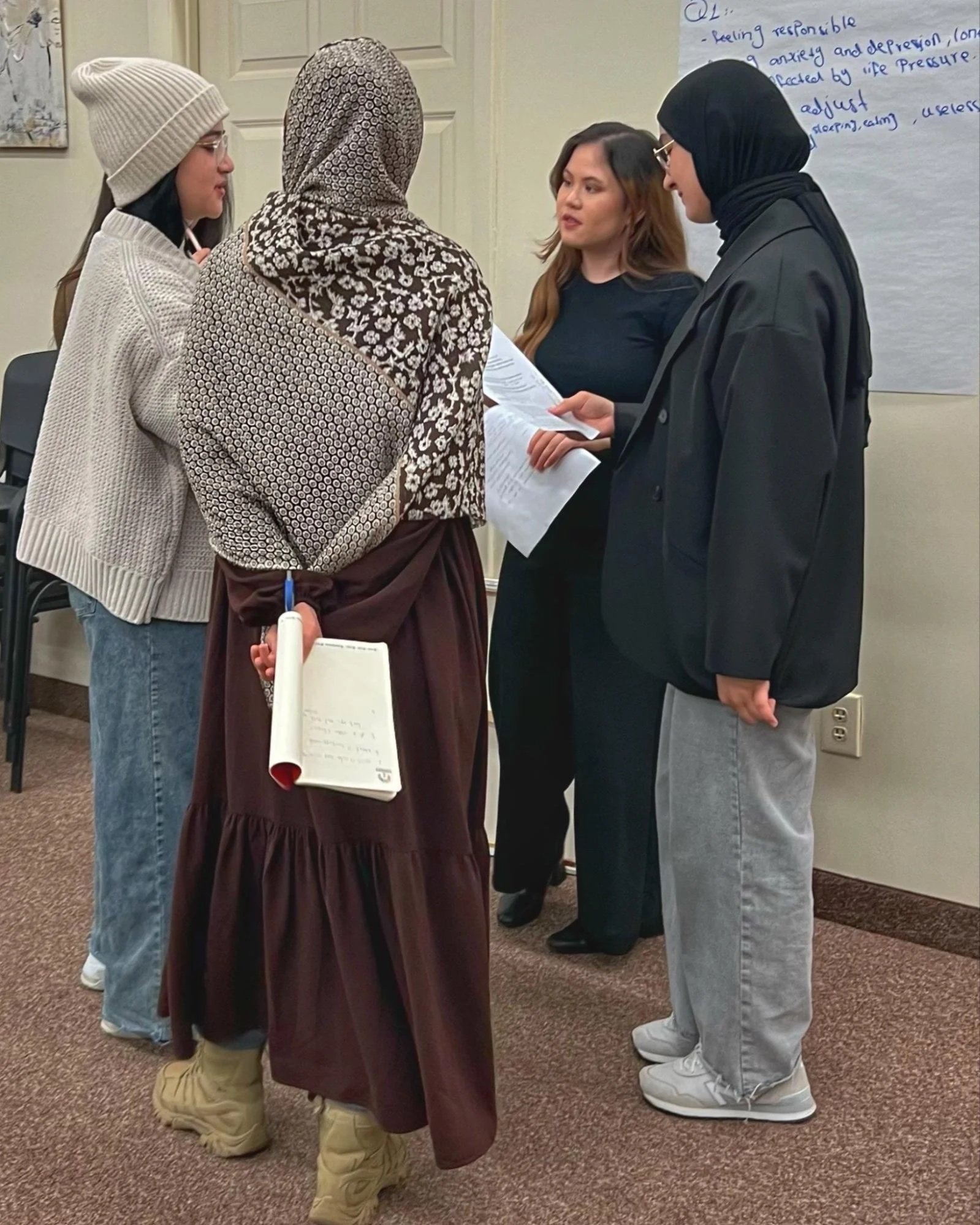
In spring 2026, CRIW brought together 53 Dari- and Pashto-speaking Afghan women to explore their experiences of emotional well-being, their strengths and challenges, and their hopes and priorities for improving mental health and well-being within their families and communities. Discussions were facilitated by Dari- and Pashto-speaking Community Research Partners using a participatory co-design approach.
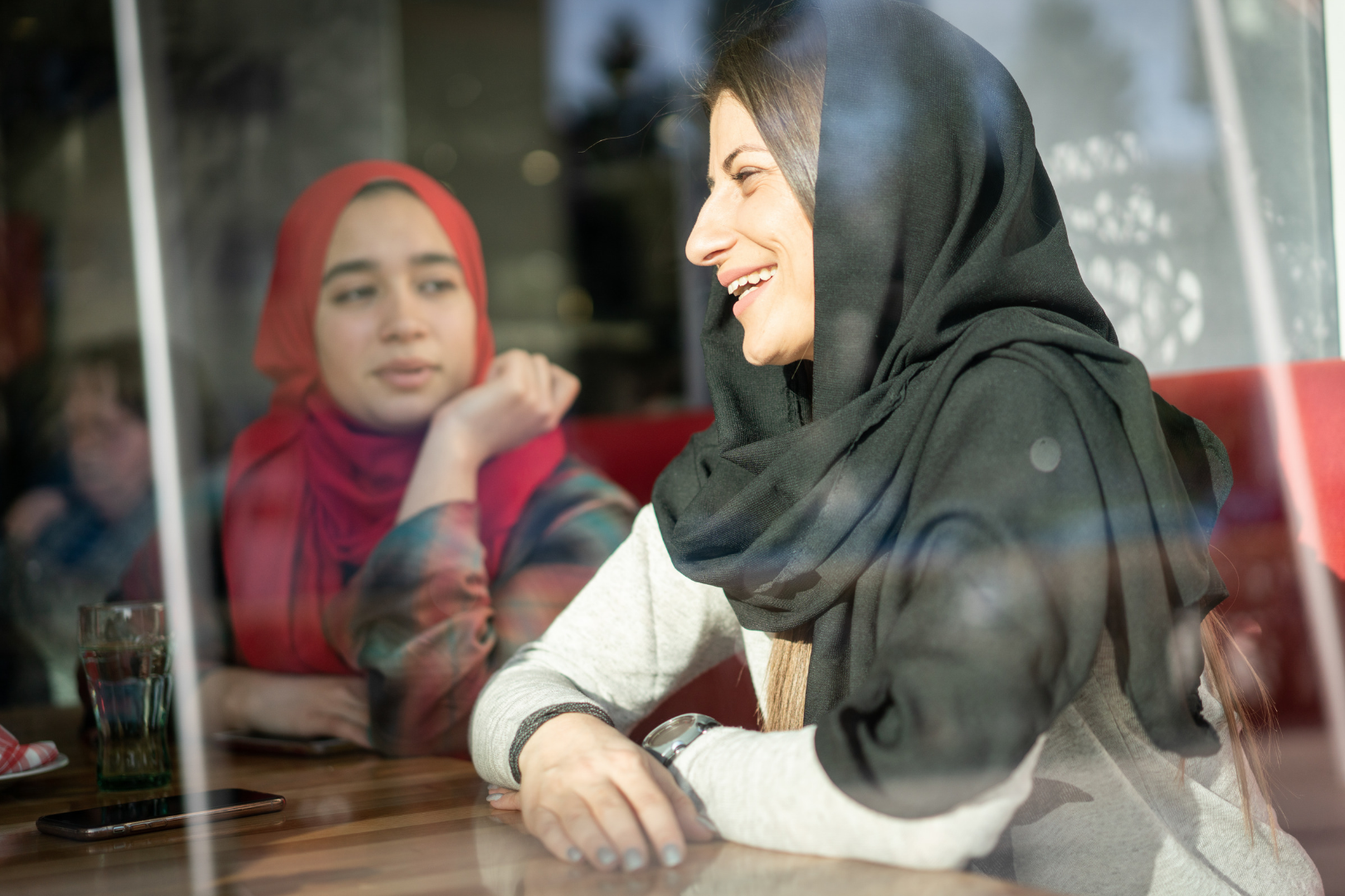
Our Approach
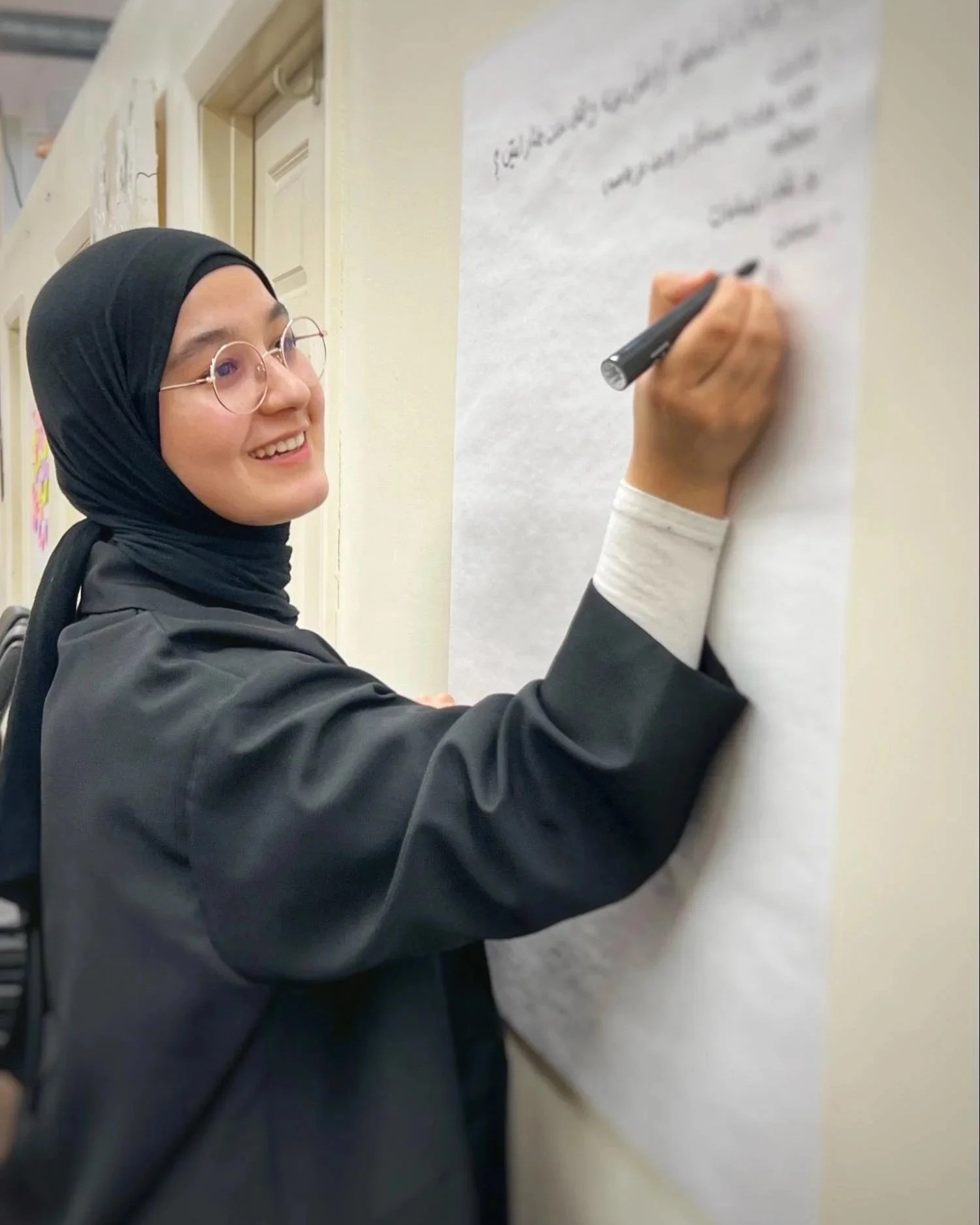
Listening to Women
Trained Dari- and Pashto-speaking Community Research Partners lead conversations, help guide the project, conduct interviews, and ensure the work reflects community perspectives. We examine barriers to care, and what meaningful emotional support and healthcare could look like.
Building on What We Learned
The project grew from an earlier CRIW co-design, in partnership with Yale PRCH, in which Afghan women identified challenges affecting their lives and well-being. That work helped lead to CRIW’s Women’s Leadership Group and community advocacy around priorities identified by women.
Designing With, Not For
Rather than starting with a predetermined solution, we started with women’s experiences, ideas, and strengths — working together to identify approaches to healthcare and well-being support that are trusted, accessible, and culturally responsive.
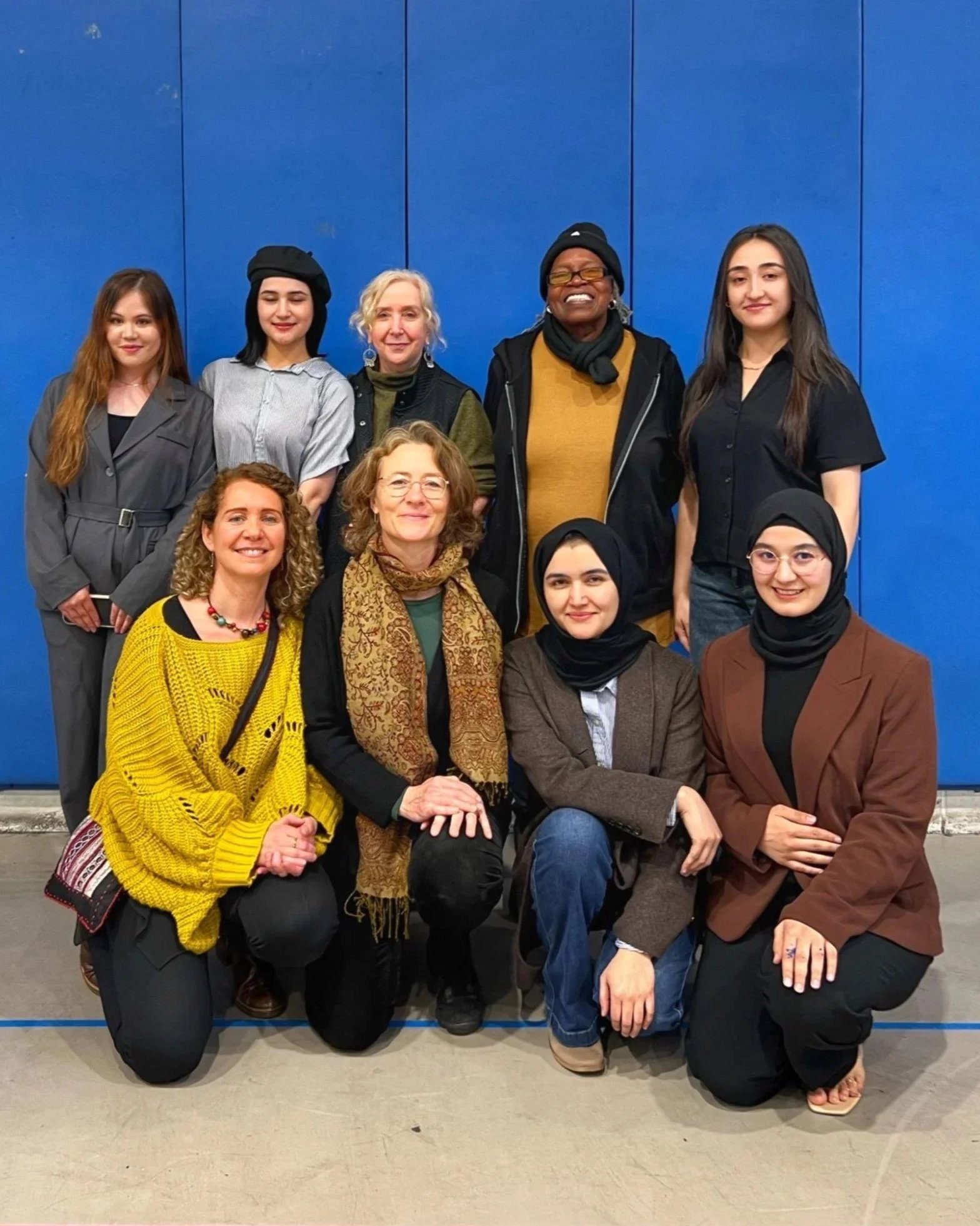
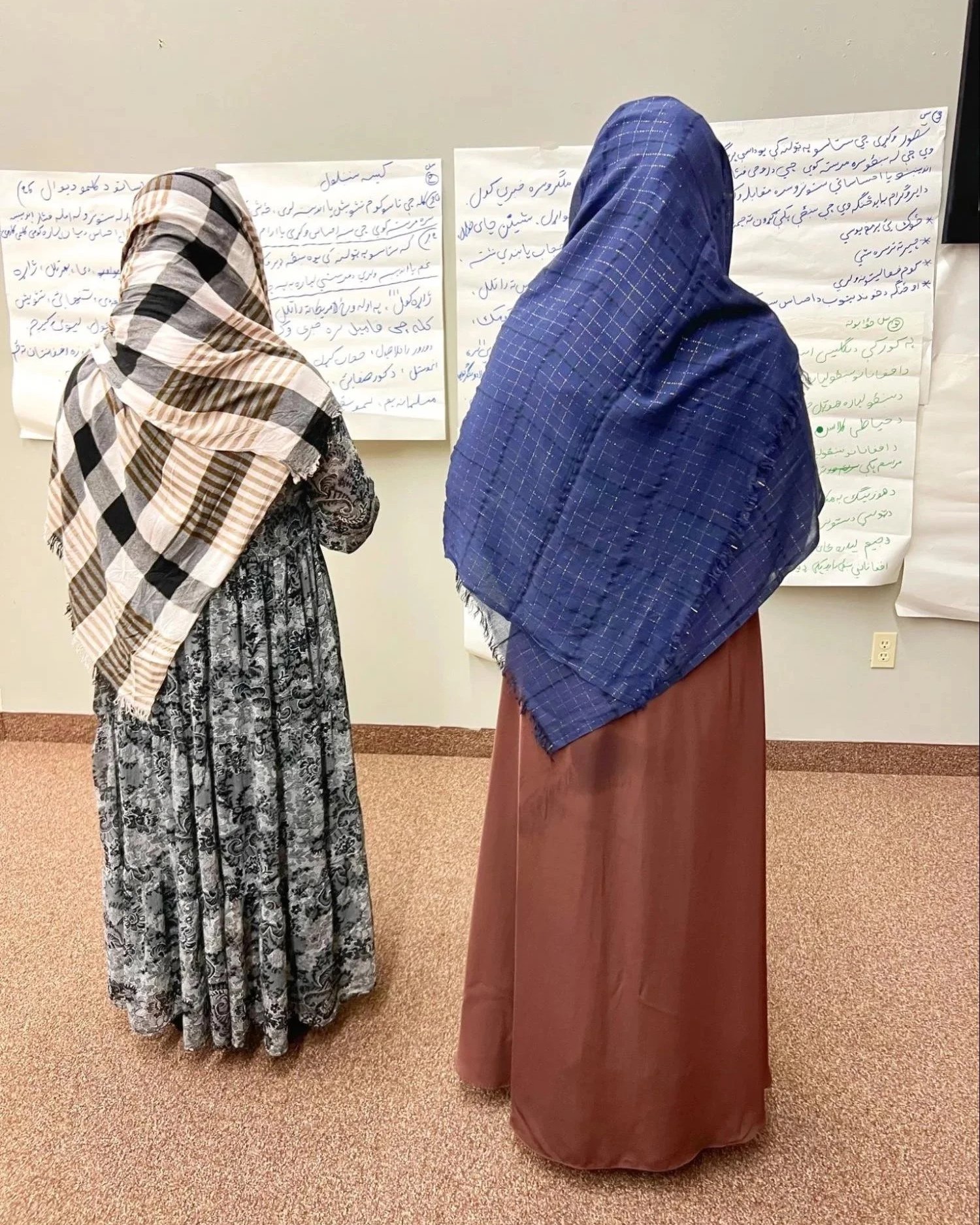
Gratitude to our Partners